If water gets into your floors, the real damage usually spreads below the surface. We handle hardwood floor drying, laminate water damage, subfloor moisture removal, cleanup, and restoration across Roswell.
We focus on the part many companies gloss over: what is happening under the boards, under the pad, and inside the subfloor after a leak, overflow, or storm-related intrusion.
Hardwood, laminate, vinyl, engineered flooring, underlayment, and subfloor materials are checked before the drying plan is set.
We document moisture damage, support the adjuster review, and help move the claim forward so you are not stuck trying to explain flooring damage on your own.
Proudly Serving Roswell, GA and Surrounding Communities
Our crews are fully licensed, insured, and ready to respond when you call, including nights, weekends, holidays, and active storm events.
Fast response for hardwood, laminate, vinyl, and subfloor moisture damage in Roswell homes and properties.
Floor water damage usually starts with something simple: a washing machine line, water heater leak, overflowing fixture, roof leak, storm intrusion, or a pipe issue. Once water gets beneath the visible floor surface, it can soak into underlayment, baseboards, subfloors, and framing long before the full damage is obvious.
That is why flooring water damage is not just about drying what you can see. Hardwood can cup, laminate can swell, vinyl can trap moisture underneath, and subfloors can stay wet long after the top layer feels dry. If the drying is incomplete, the damage keeps spreading under the floor system.
For local floodplain and creek flood information, visit City of Roswell Floodplain Management or NOAA Big Creek flood information.
Areas We Cover
Floor-level drying and restoration support from the first call to the final moisture check. Serving Roswell and surrounding North Fulton communities.
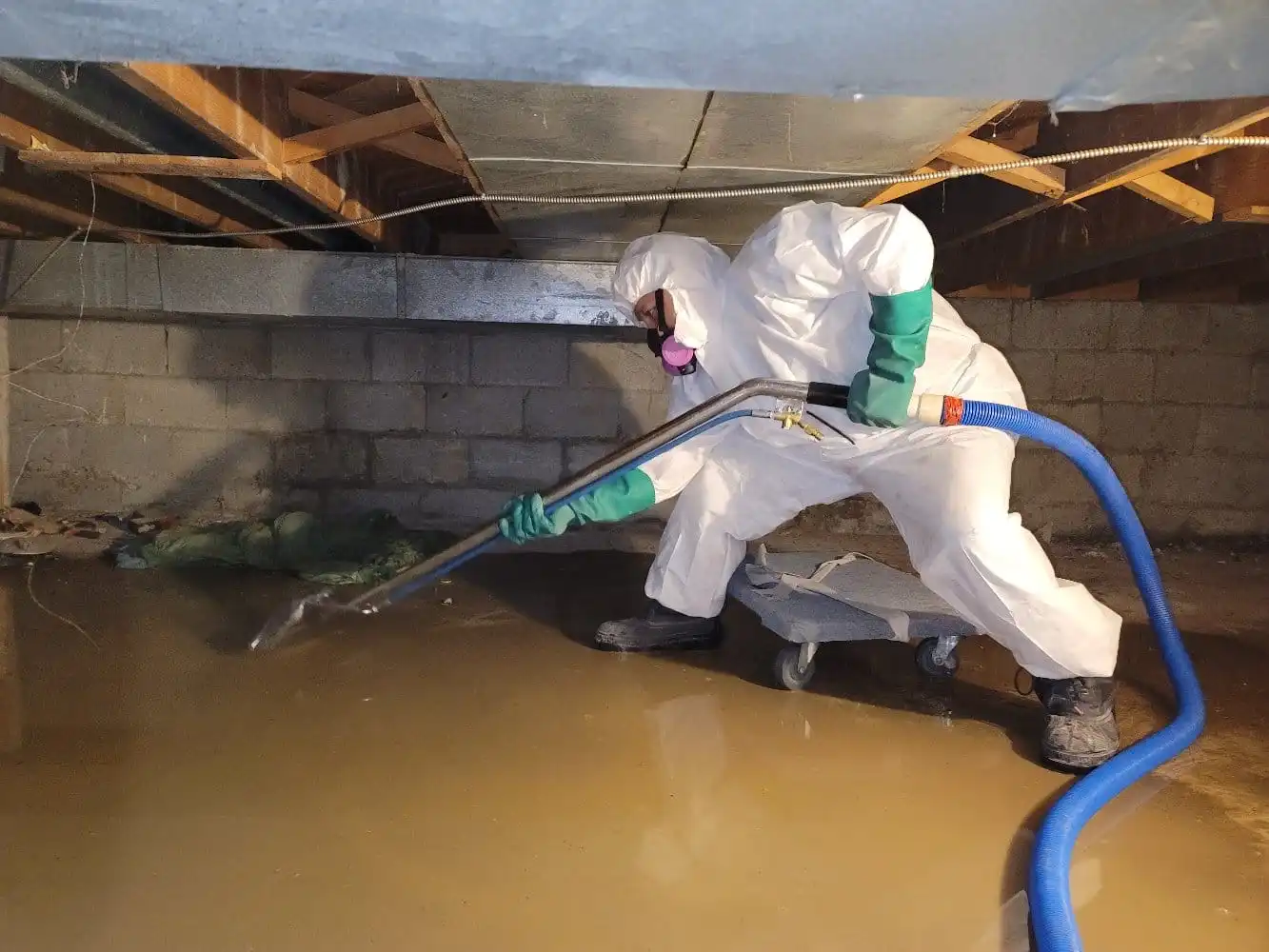
Removal of standing water before it spreads farther into flooring layers, wall bases, cabinets, and subfloor materials.
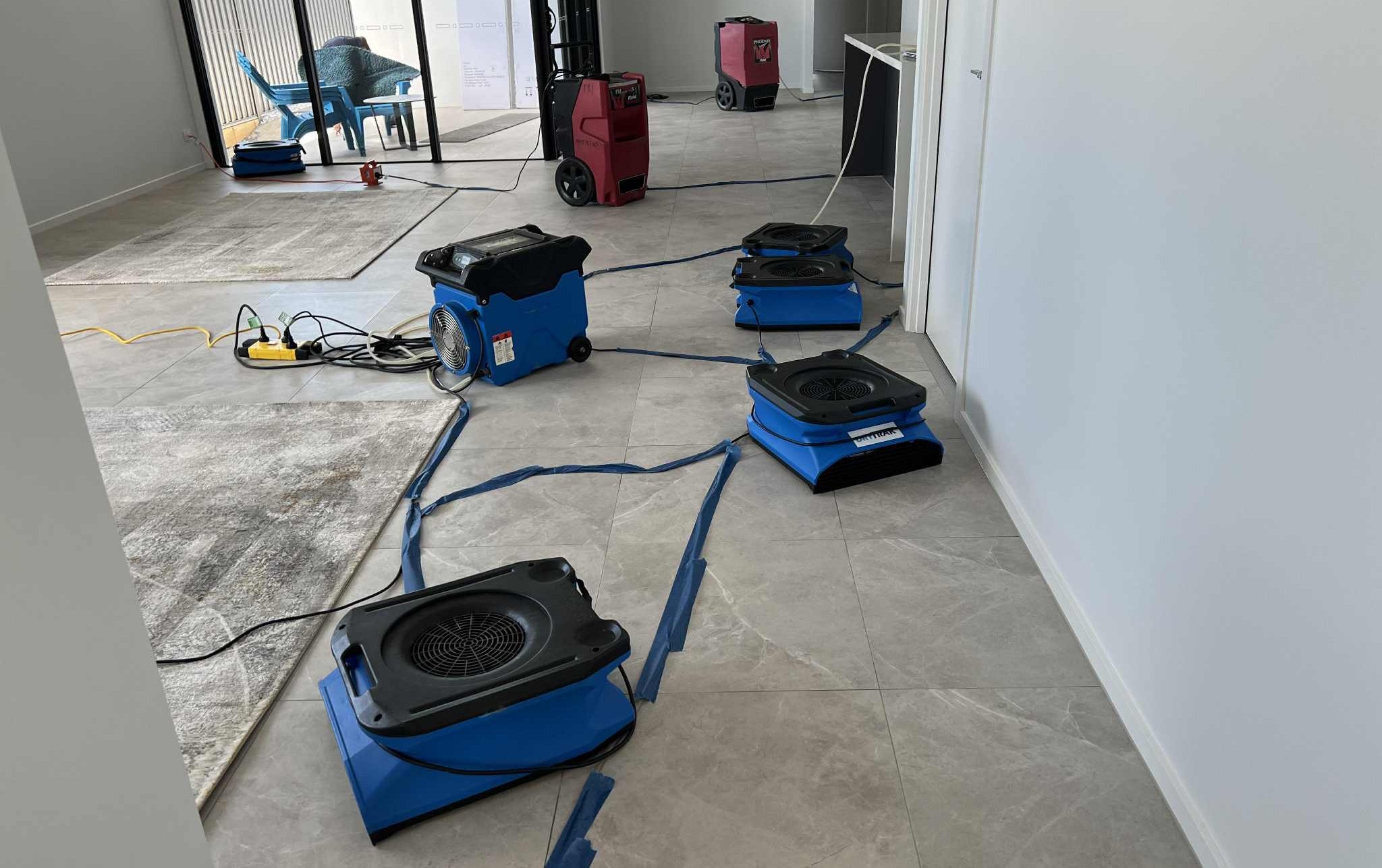
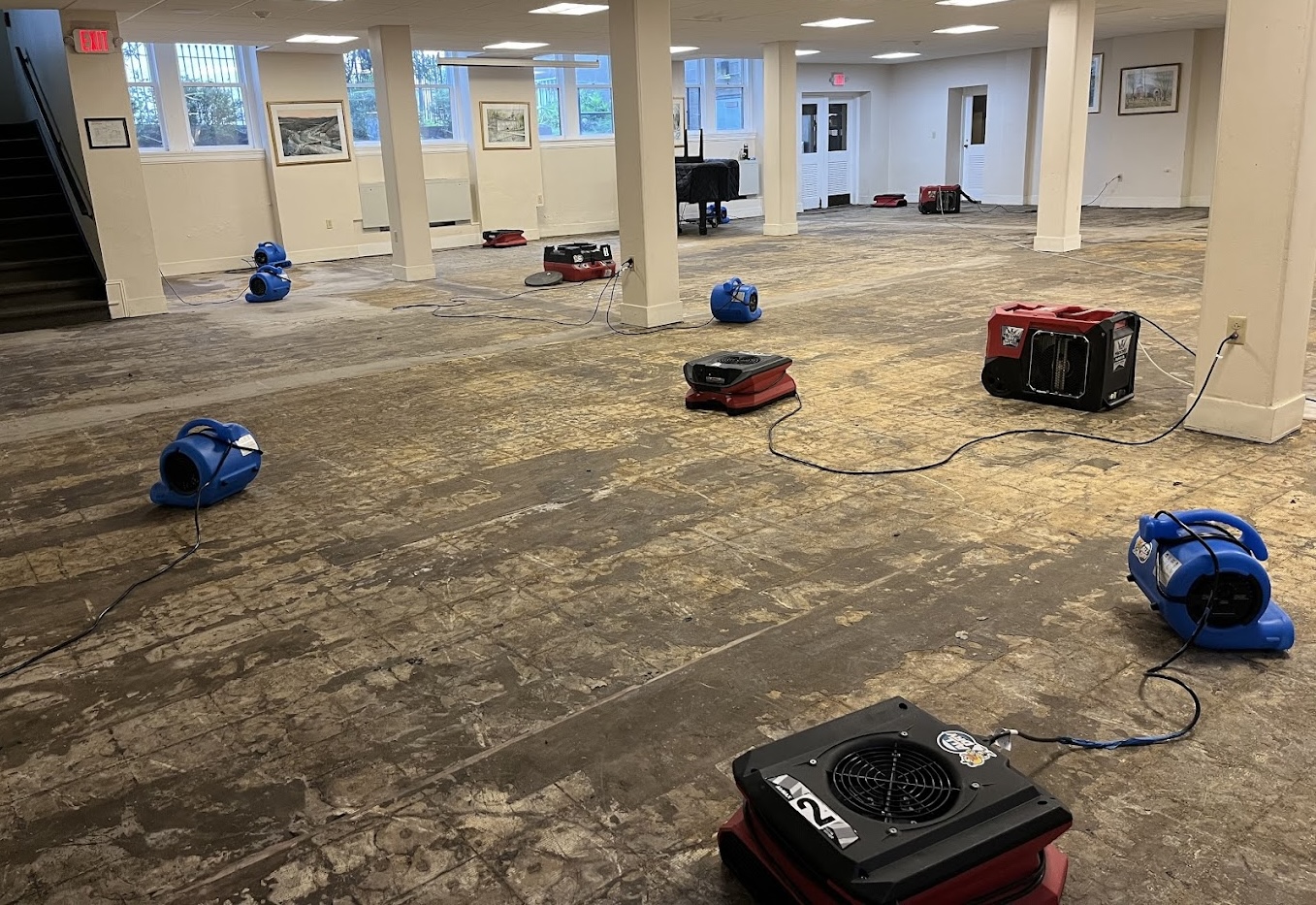
Targeted drying for hardwood and engineered wood floors to reduce cupping, swelling, separation, and long-term moisture retention beneath the boards.
We assess whether laminate, vinyl plank, and floating floor systems can be dried, or whether trapped moisture makes selective removal necessary.
Moisture meters help locate hidden water under finished flooring and inside subfloors, joists, and lower wall cavities.
Photos, moisture readings, affected flooring notes, drying logs, and material details are organized for the claim process.
From photos and moisture documentation to final billing support, we help simplify the claim process for Roswell homeowners dealing with floor water damage.
Real water damage restoration jobs. Real results for homes and properties dealing with wet floors and hidden moisture.
Dealing with wet floors in Roswell, GA? We will inspect the damage, dry the floor system, and help stop it from getting worse.
Call for a Free Estimate: (838) 368-2757Common questions about flooring water damage in Roswell, GA.
Safe Structure Group offers same day response for flooring water damage across Roswell. Call (838) 368-2757 to request help.
In many cases, yes. Fast extraction and correct drying can save hardwood floors before severe cupping, buckling, staining, or deeper floor damage develops. The sooner the work starts, the better the odds.
Yes. We serve Roswell and nearby communities including Alpharetta, Sandy Springs, Milton, Johns Creek, East Cobb, Dunwoody, and surrounding North Fulton areas.
Sometimes. It depends on the flooring type, how long it stayed wet, how much water reached the underlayment or subfloor, and whether the material can be dried safely. We check moisture levels before recommending removal.
We provide a free, no-obligation on-site assessment. Cost depends on how far the moisture spread, how long the floor system stayed wet, the type of flooring involved, and whether any section needs selective removal.
The most common causes include appliance leaks, water heater failures, overflowing toilets or sinks, roof leaks, basement seepage, storm-related water intrusion, and burst pipes. Any of these can push moisture into the flooring and subfloor very quickly.